ServicesCollision Repair
Collision Repair in Lemoore
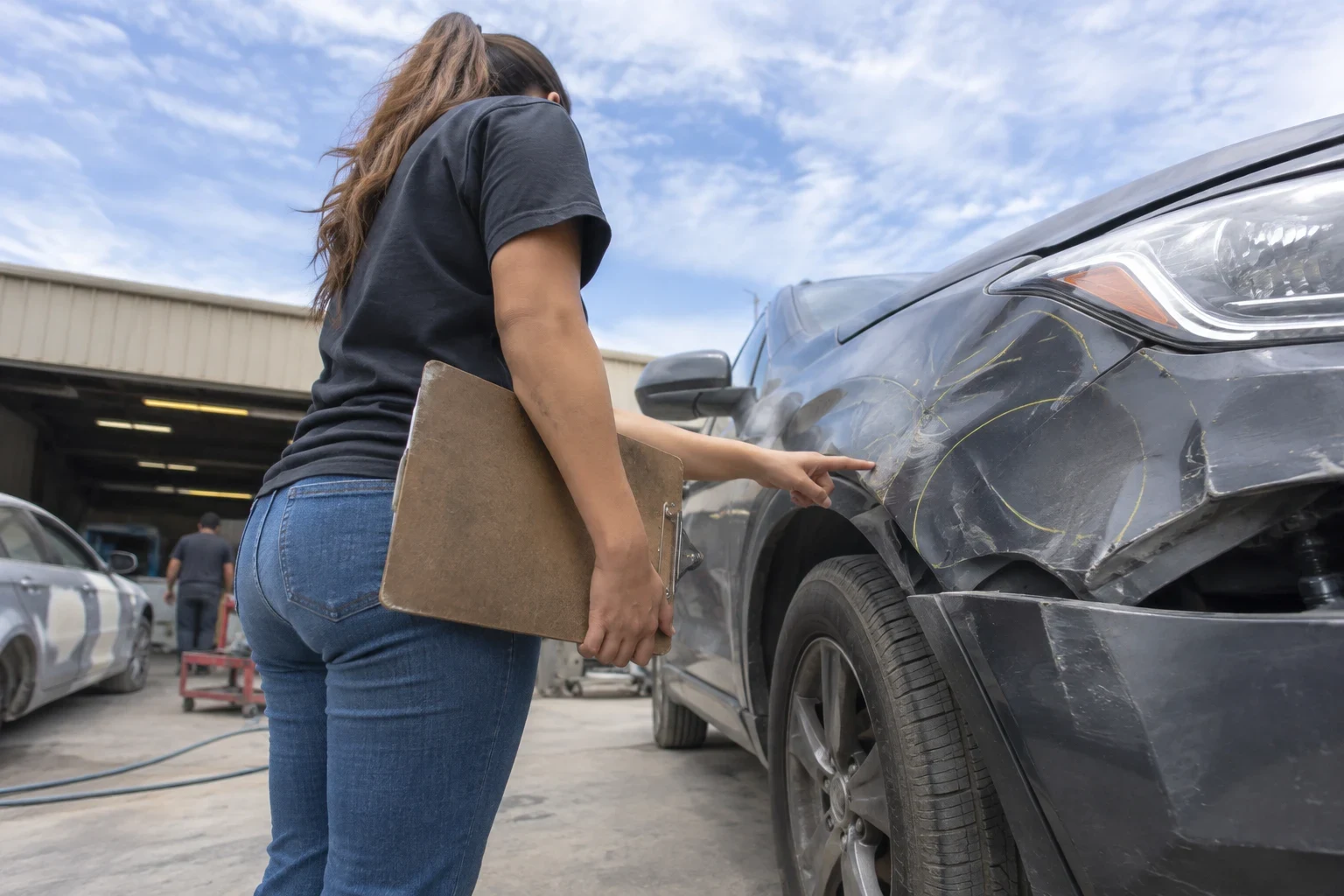
After a wreck, you want your car fixed right and you want to know what happens with the claim. We look the vehicle over, photograph the damage, write up the estimate line by line and explain each step before we start the repair.
When a crash calls for collision repair
Collision repair puts a car right after an accident. The job might mean a new door, pulling out a bent panel, fixing the parts behind the bumper and painting everything to match. Most crashes reach past what you can see. Tapping a pole can crack a headlight bracket. Getting rear-ended can shove the trunk floor out of line.
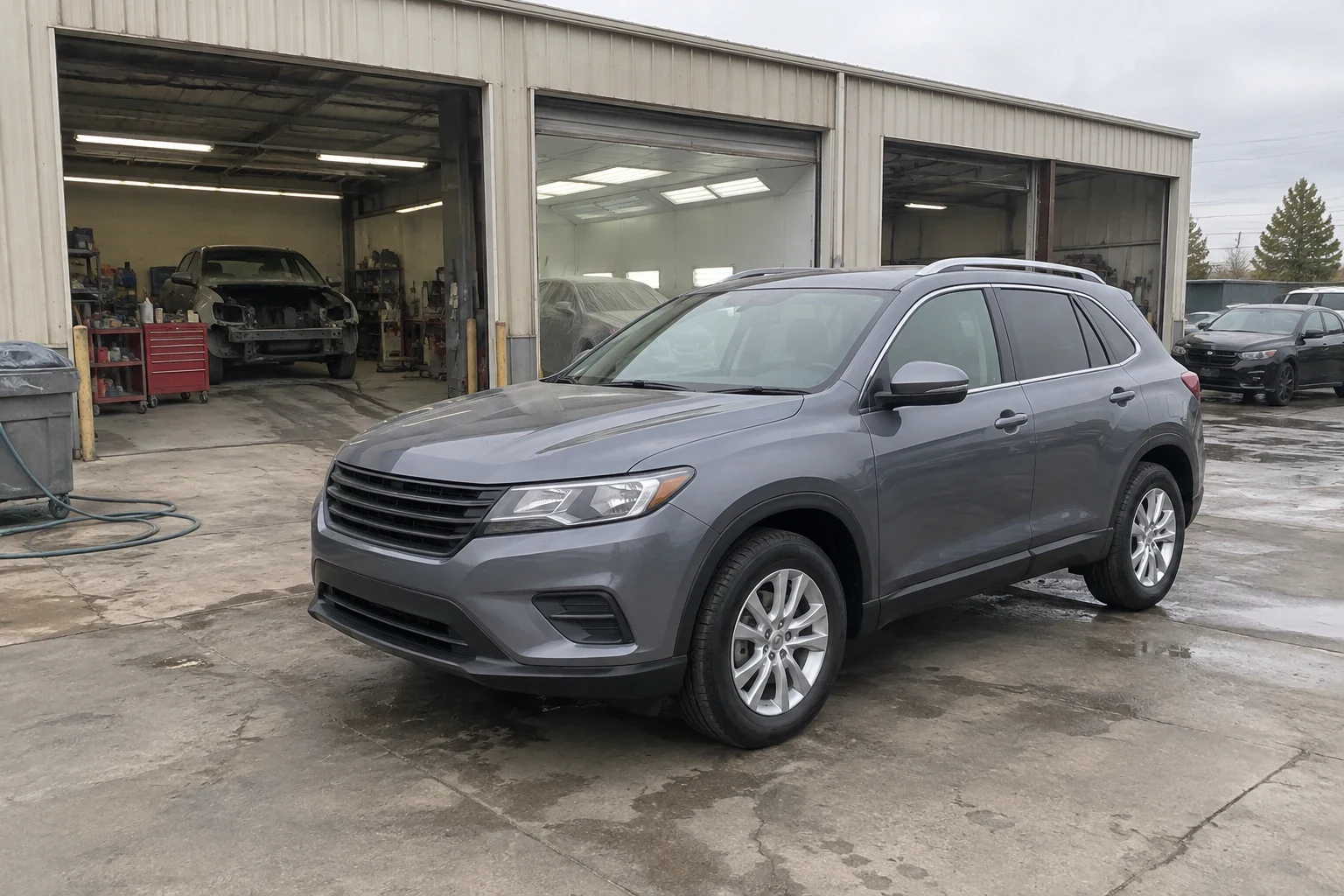
We repair cars, trucks and SUVs at our shop, and drivers come to us from Lemoore, Hanford, Armona and the towns around them. Our job is to find every bit of the damage, show it to you and your insurer, and fix the car so it drives and looks the way it should.
If the damage is small and stays on one panel, our Dent Repair or Bumper Repair pages may be a better fit. If the car sits crooked or a door won't shut right, take a look at Frame Straightening as well.
What the work includes
- A full look, photos included
- We go over the whole car, not just the dented spot. Every bit of damage we find gets photographed so you and your insurer can see it.
- A written, line-item estimate
- Each part, each hour of labor and each paint step is listed. You can read it, ask about any line and know what you are paying for.
- Teardown to find hidden damage
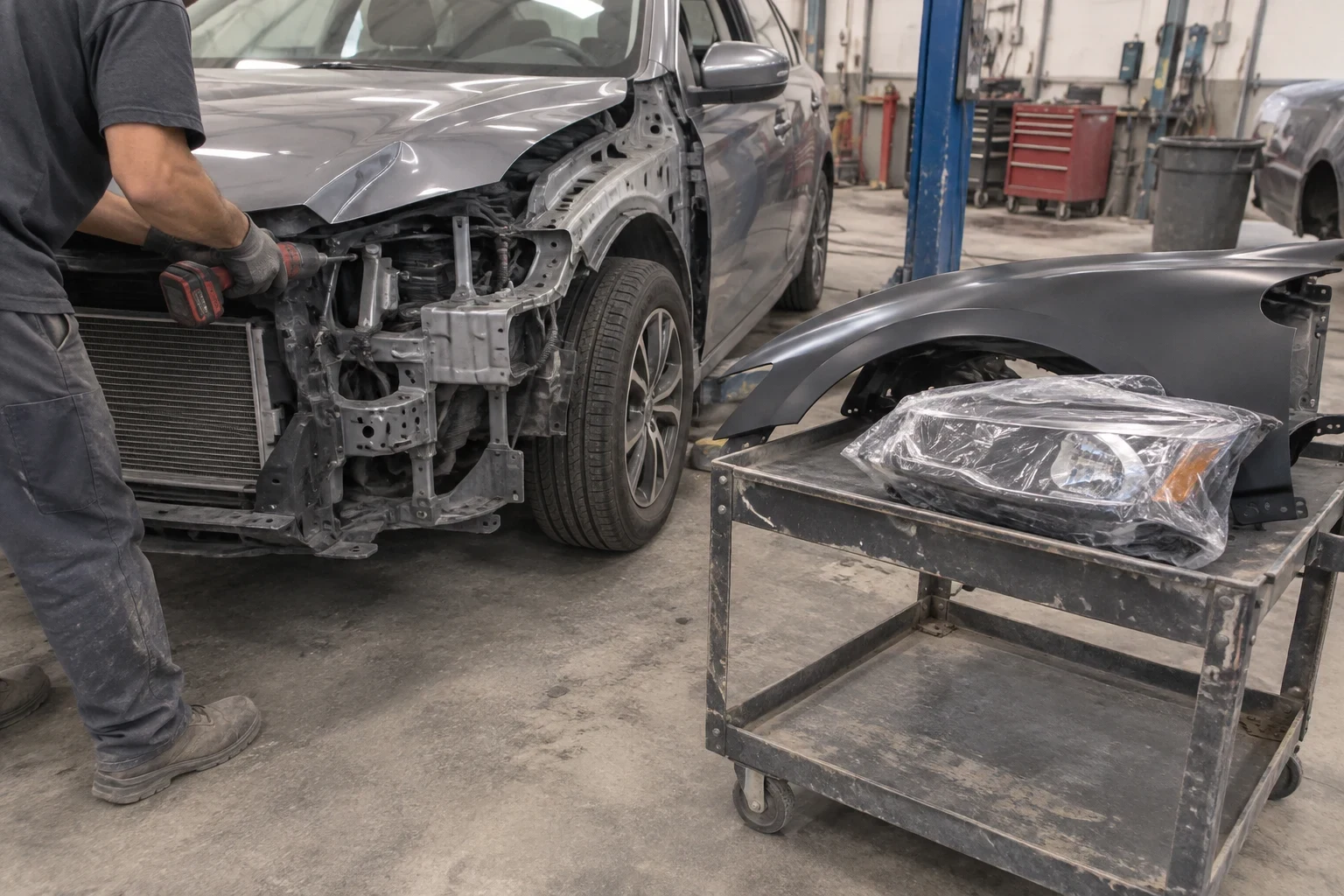
- Once you approve the work, we take off the damaged parts and check what is behind them. Brackets, sensors and inner panels often need attention that nobody could see from outside.
- Body, structure and paint
- We repair or replace panels, check the car's measurements, and refinish so the color blends with the panels next to it. Paint and Refinishing has more on how we match color.
- Lights, sensors and safety systems
- Many newer cars have cameras and radar in the bumper and grille. We check whether these need to be reset or calibrated after the repair and tell you if they do.
Signs your car needs more than a quick fix
Gaps that don't line up
If the hood, trunk or a door sits higher on one side, something behind it moved. That usually means more than a dent.
The car pulls or the wheel is off center
A hit near a wheel can bend steering or suspension parts. Get it checked before you drive it much farther.
Warning lights after the accident
A new dash light, a parking sensor that beeps nonstop or a lane camera that quits can all point to damage in the bumper or wiring.
Leaks or new noises
Fluid under the car, a fan that rattles or a wind whistle at highway speed are worth a look. Small leaks can turn into bigger repairs.
Cracked or loose plastic
A bumper cover that hangs or has split clips may be hiding a crushed absorber or bent reinforcement bar behind it.
Why collision repair prices vary
Every accident leaves a different set of damage, so every bill is different. The total comes down to what got hit, how much work it takes to put right and which parts go back on. All of it goes on the written estimate, so the final bill holds no surprises.
What teardown turns up
Damage behind the panels is the biggest unknown. A bent bracket or a cracked sensor means more pieces to buy and more hours in the bay. Before any of that work starts, you see the photos and hear from us.
Which parts go on
Factory parts, aftermarket parts and used parts are priced differently. Your policy may set which kind it pays for, and we tell you which ones the estimate lists.
Paint and blending
Pearl whites, tri-coat reds and similar colors need extra steps and more material. Blending into the next panel takes more time, but it keeps the color even.
Structural work
Measuring the car and pulling it back into shape adds hours. When a crash only touched bolt-on parts, the repair costs less.
How a repair goes at our shop
- 1
You call and tell us what happened
We ask about the accident, your car and whether a claim is open. If you haven't filed yet, we explain what the insurer will likely ask for.
- 2
We inspect and document
You bring the car in. We walk around it with you, take photos and write the estimate. You get a copy.
- 3
We work with the insurance claim
If insurance is paying, we send our estimate and photos to the adjuster. When teardown turns up hidden damage, we document it and send a supplement so it can be reviewed. We don't decide what the insurer pays, but we make sure they see the full picture.
- 4
We repair and paint
Structure first, then panels, then paint. We keep you posted if anything changes along the way.
- 5
Final check and pickup
We check panel fit, lights, doors and sensors, and road test the car. When you pick it up, we walk you through what was done.
Collision repair questions
Can I pick my own body shop, or does my insurer decide?
You decide. California lets drivers choose who repairs their car. Your insurer can point you to shops it likes, but it can't make you use one. If you bring your car to us, we deal with your adjuster just like any other shop would.
What should I do right after the accident?
Make sure everyone is safe. Then photograph both vehicles, the scene, the other driver's plate and their insurance card. Jot down what happened while it's fresh. Those photos and notes make filing the insurance claim easier.
Why did my estimate go up after the car was taken apart?
Some damage stays hidden until the bumper or a panel comes off. When we find it, we take photos, call you and send a supplement to the insurer. No added work happens without you hearing about it first.
Is my car safe to drive to the shop?
Have it towed if it pulls hard, leaks fluid, has a bumper dragging or the lights are out. If you can't tell, call and describe what you see. We'll tell you what we'd do in your place.
Will the paint match the rest of my car?
We mix to your car's paint code, then adjust for how the finish has aged. Most of the time we blend into the panels beside the repair so the change is hard to spot. Strong sun shows any mismatch quickly, so we check the color in daylight before you pick up.
Know what you're dealing with before you decide
Tell us what happened and what you see on your car. We'll explain how the inspection works and what to have ready for your insurance claim.